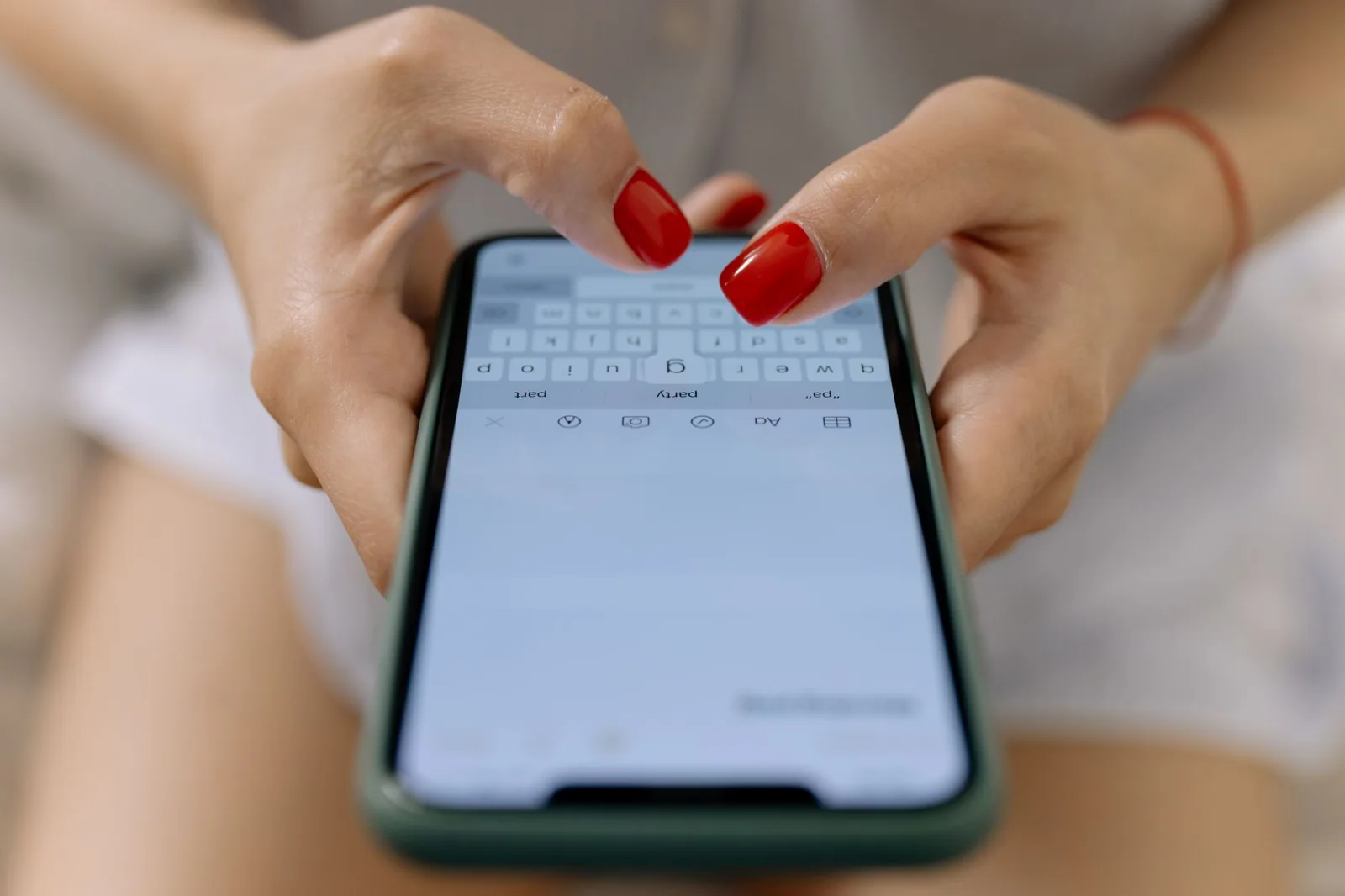
Most creators lose money in the first three messages and never notice it. You open with a price, a menu, or a flat "what are you into?" that reads like a checkout line, and the fan quietly decides he is talking to a vending machine with a face on it. The creators who out-earn everyone in the DMs do the reverse. They get curious before they get commercial. Discovery is not a step you rush through on the way to the sale. Done right, it is the sale, happening early, wearing the clothes of an actual conversation.
What you are actually trying to learn
Behind every good opening exchange sit four quiet questions: who he is, what he genuinely likes, what he wants from you in particular, and roughly what he can spend without thinking twice. None of it comes from an interrogation. It comes from real questions asked in a real order, spaced so each answer earns the next one.

"What pulled you toward my page?" tells you his taste. "Long day, or are you just up late?" tells you his rhythm and when he actually reads his messages. A light remark about his job or his city hints at his budget without you naming a number. You are building a picture of him, and it should feel like getting to know someone, because that is all it really is.
Why feeling seen changes behavior
Ask yourself something after your next three messages with a new fan: do you actually know anything about him, or only what he might pay? A fan who feels seen behaves nothing like a fan who feels processed. Remember that he mentioned a rough week, that he prefers your stories to your grid, that he gets paid on Fridays, and every message after that lands with weight. You stop being one of forty tabs open on his phone and become the one who paid attention.
That is the whole gap between a teaser he scrolls past and a teaser he opens because it feels made for him. Attention is the currency here. You spend it long before you ask him to spend anything back.
The same day, two fans
Two fans subscribe on the same day. With the first you fire your standard pay-per-view inside the hour, generic caption, generic price. With the second you spend the evening trading a few messages, pick up the kind of thing he is into and the fact that he tips when something feels personal, then send a teaser in your stories that speaks straight to that, with a line saying it made you think of him.
The first fan ghosts by the weekend. The second is still around a month later, tipping on customs, because the relationship came before the offer. Same raw minutes of effort on your side, wildly different ending.
A simple discovery sequence
- Open with real curiosity about him, not a price and not a menu.
- Ask one light question at a time, and actually react to what he says.
- Note his taste, his rhythm, and how freely he spends as you go.
- Let each reply earn the next question instead of racing to the pitch.
- Only tease once you know what would genuinely feel personal to him.
If you would rather not run every inbox hour yourself, here is how our chat management works.
Ask first, sell second. What you gather in that opening exchange is the one input that makes everything after it work: the teasers, the pacing, the customs, the price you land on. Skip discovery and you are guessing. Do it properly and you stop guessing with that fan for good.
FAQ
Doesn't asking questions first just slow down the sale?
It front-loads the work, it does not delay it. A few minutes of real curiosity tell you what to offer and how to price it, so the pitch you eventually make converts instead of getting ignored. Skipping straight to the sale feels faster and usually ends in a ghost.
How do I read his budget without asking about money?
You pick it up from context, never a straight question. A passing mention of his job, his city, or how his week went gives you a sense of his comfort level. What he reacts to and what he tips on tell you far more than any figure he would hand you upfront.
What if the fan just wants to buy right away?
Then let him, but still work in a personal touch or two so it does not feel purely transactional. Even a fast buyer comes back more often when he feels remembered instead of run through a checkout.
Keep reading