The payment clears and most creators go quiet. That quiet is loud. It tells the fan, in the plainest terms available, that he was a transaction and the transaction is done. He may never put it into words, but he feels it, and the next time you send him something he hesitates half a second longer. Stretch that half second across every fan you have let drift cold and you are staring at the real reason your income flattens out even when your content is good. The content is rarely the problem. What you do in the ninety seconds after the money lands usually is.
The most underrated skill in chatting
Aftercare is invisible in the moment and decisive over months, which is exactly why so few people bother with it. It is a thank-you that sounds like you and not a template. It is remembering something he mentioned two weeks ago and bringing it up before he does. It is a warm message the next day that is not selling him anything at all, just checking in the way a person checks in.
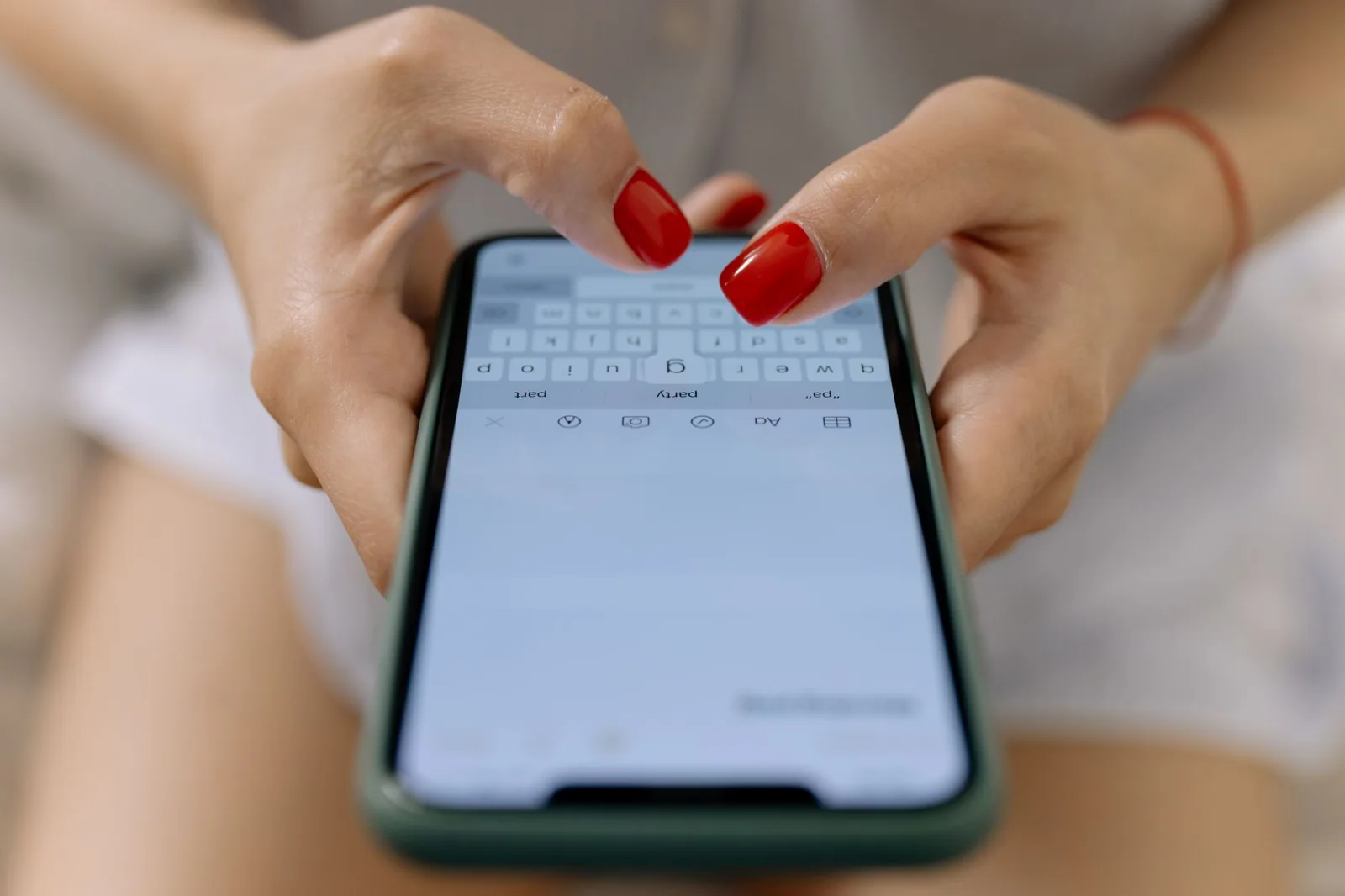
None of that costs you much, and all of it signals the one thing that keeps a fan spending: that he mattered to you past his wallet. Fans feel the difference between a "thanks" fired off to everyone and a line that could only have been written to him. They almost always feel it faster than you would think.
The math favors keeping him
Finding a brand-new subscriber takes promotion, free-trial links, teasers across your stories, and a stranger deciding to trust you cold. Keeping a fan you already have takes a handful of thoughtful messages. One of those is a whole marketing funnel. The other is a follow-up.
The fan you keep already knows he likes you. He already trusts you with his card. He already has a history with you that makes the next purchase feel ordinary instead of risky. Retention is not the dull back-office part of this work. Retention is the work.
What good aftercare looks like
- A thank-you in your own voice, never a blast sent to everyone.
- A next-day check-in with nothing attached to it.
- A callback to something he mentioned earlier, before he brings it up.
- Warmth after you deliver a custom, where most people go silent.
- Continuity that treats each sale as the start of the next thread, not the end of this one.
Picture a fan who just bought a custom. The easy move is to hand it over and vanish. The move that keeps him is to hand it over, then message him the next evening to say you have been thinking about how that one turned out, and that it left you an idea you want to play with. No pitch. No price. Just the sense that the conversation did not end when his payment cleared.
Now the sale is not a closed loop, it is an open thread. When you do have something new, you are not cold-opening a stranger, you are picking back up a conversation he was already enjoying. That thread is why he buys the second custom, and then the third, without you ever having to talk him into it again.
The people who send these follow-ups for a creator are chatters, and our OnlyFans chatter jobs guide explains what the work involves.
Treat the moment after a sale as the opening of the next one rather than the closing of this one. The fan who feels remembered comes back on his own. The fan who feels finished has to be won all over again, and mostly he is not. How you treat him after he pays quietly decides whether he ever pays you again.
FAQ
How soon after a sale should I follow up?
The genuine thank-you belongs in the first few minutes, while the moment is still warm. The no-ask check-in works best the next day, when it plainly is not tied to closing another sale. Together, the same-hour touch and the next-day one turn a single purchase into an ongoing thread.
Won't a no-pitch follow-up feel like wasted effort?
It is the opposite. A message with nothing to sell is the clearest proof that he matters beyond his wallet, and that feeling is what makes the next purchase feel natural. The pitch lands better later precisely because you spent nothing chasing it now.
How do I keep aftercare personal at scale?
Keep light notes on what fans tell you, then reference them by hand instead of blasting one line to everyone. The point is not volume, it is that each message could only have gone to that one fan. A few remembered details beat a hundred generic thank-yous.
Keep reading