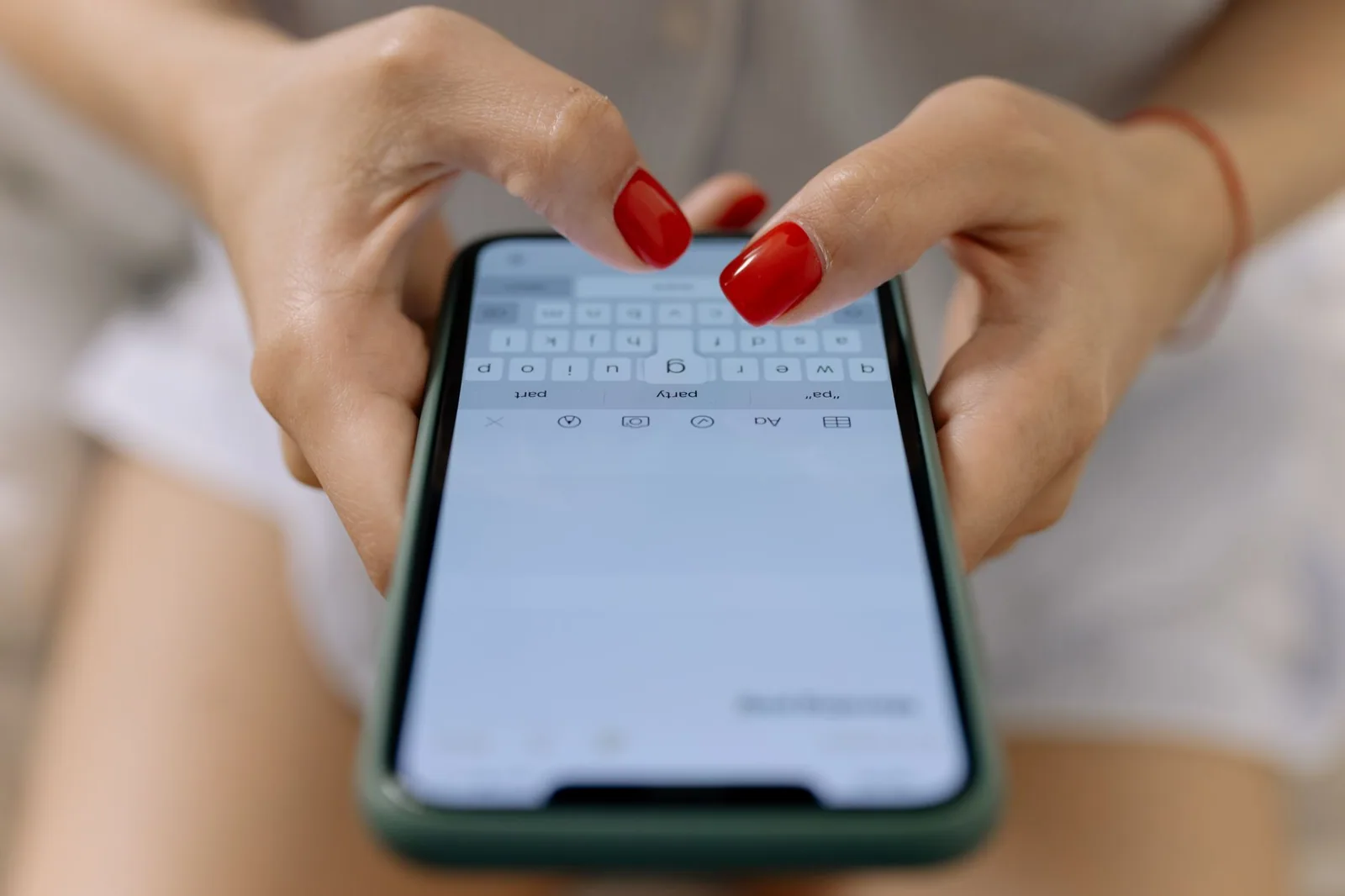
An OnlyFans chatter writes to fans on a creator's account, in her voice and inside her limits, and earns by selling content fans want to buy. It is a remote sales and writing job for adults, and it rewards people who read others well and follow rules. A legitimate employer trains you, pays you, and tells you how the pay works before it asks you to do any work.
What the work is
Chatters answer messages. A new subscriber says hello. A regular wants to talk about his week. A fan who went quiet three weeks ago gets a check-in. Between those conversations the chatter offers pay-per-view messages (PPV: photos or videos a fan pays to open) and tips where they fit, never as a pitch dropped into the first reply.

Two documents shape every message. The creator's voice guide says how she talks, and her limits say what is off the table. The job is to write the way she would, inside those lines. For many pages the inbox is where a large share of the revenue is made, which is why creators care so much about who is typing.
Who it suits
People who write well and quickly, remember small details and stay friendly through a long shift tend to do well. So do people who take a brief seriously. Care counts for more than experience. A sales sequence can be taught in a week. Being interested in the person on the other end cannot.
- Fluent, natural written English, or the language the creator's fans write in
- Fast, accurate typing (some teams ask for around 60 words per minute)
- Reliable internet and a quiet place to work
- Comfort with adult-themed conversation, and being 18 or older
- The habit of keeping notes, and of taking feedback without arguing
It is not a fit if you want to sell at any cost, if adult content makes you uncomfortable, or if you cannot keep a creator's identity and content private. Chats get read.
A shift in practice
You start by reading the notes for the creators on your shift: her voice guide, her limits and what she wants fans to hear this week. Then you work through the inbox. New subscribers go first, since a first message left waiting loses its pull. After them come the regulars, then the fans who went quiet.
Most of the shift is conversation. You ask questions, you remember the answers, and you offer something to buy only when it fits what the fan just said. After a purchase you check in instead of pitching again, so he feels looked after. Before you log off you write down what you learned about your top fans, because the next chatter (or you, tomorrow) will need it.
Some situations are not yours to decide. A custom request needs the creator's say before anyone quotes a price. A fan asking for something outside her limits gets steered elsewhere. A complaint that could turn into a chargeback goes to your lead. Good teams write these escalation rules down so a chatter never has to improvise late in a shift. Shifts are agreed with you before you start, and at NexNovara the role is remote on European working hours.
How training works
Chatting is learned by doing it. A pile of videos and a quiz does not prepare you. Look for training where someone reads your early chats and gives you notes, where you learn the creator's voice before your first message, and where you move to live work when you are ready, whatever the calendar says.
At NexNovara no experience is needed. Training covers how to build rapport, how to read what a fan wants, how to handle objections and how to sell without pressure. Your team lead reads your early chats and gives you feedback, and we tell you what onboarding looks like before you accept an offer.
The ethics of the work
This part decides whether you can do the job for a year without feeling bad about it. Our rules are short. No invented stories, no promises to meet, no pressure after a no. If a fan seems to be spending more than they can afford, we stop selling to them. Each creator sets limits, and you follow them in every message. Chats are reviewed, and creators can read their own conversations whenever they want.
If an employer's training includes fake hardship stories, hints that you might meet a fan, or going cold after a refusal to make him pay, walk away. Those tactics burn through fans quickly, and they put you in a position no one should be in.
How pay works
Pay figures for chatters online are all over the place and mostly unverifiable, so we will not quote one. Part of the confusion is that people mean different things by the same number: an hourly rate, a percentage of sales, a percentage of profit. Employers pay hourly, on commission only, or a base plus commission, and the figures reported for each differ widely.
Ask four things before you accept any offer. What is the percentage of, sales or profit? Is there a base? How often are you paid? Is anything deducted, and is that written down? At NexNovara you are paid a base plus commission on what you sell, and we share the pay structure, the training length and the countries we can hire in on your first call, before any test task.
What to avoid
- Courses you pay for that promise a chatter job or a set income. Employers pay chatters. Chatters do not pay for the right to apply.
- Deposits, buy-ins or equipment fees before you start.
- Unpaid trial shifts on real creator accounts. Ask whether a test task is paid before you do it.
- Ads that name no employer, or that lean on urgency (start tonight, earn tonight).
- Training that teaches pressure scripts: guilt, fake scarcity, pretending you might meet a fan.
- Anyone asking for your login details, ID or bank information before an offer exists.
How hiring works at NexNovara
You apply through the role page. In your email, tell us your country and time zone, the hours you can work, your languages, and how you would reply to this message from a fan: 'Hey, I just subscribed. What kind of content do you post?' A person on our team reads it. If it looks like a fit, you get a first conversation where pay, training length and hiring countries are on the table before any task. Onboarding comes after that.
The full role description is on the OnlyFans chatter page, and everything else we are hiring for is on the careers page. If you are curious how the creator side works, see how we run chat management.
FAQ
Do I need experience to become an OnlyFans chatter?
Not at NexNovara. You need fluent written English, reliable internet, a quiet place to work and comfort with adult-themed conversation. We train the rest, and your team lead reads your early chats and gives you feedback.
How can I tell whether a chatter job is legitimate?
A legitimate employer names itself, explains the pay before you do any work, charges you nothing, writes down its rules and reviews chats. Be wary of paid courses, deposits, unpaid trial shifts and any training that teaches pressure tactics.
How much do OnlyFans chatters earn?
Figures online vary too widely to trust, partly because they measure different things. Ask what any percentage is of, whether there is a base, how often you are paid and what gets deducted. At NexNovara the pay is a base plus commission, explained on your first call.
Can I work from anywhere?
The role is remote and runs on European working hours. We confirm which countries we can hire in during your first conversation.
Do I have to be 18 or older?
Yes. The work involves adult-themed conversation, so it is for adults only.
Keep reading